
The 10 NFT PFP Commandments
Observations, Lessons and Advice for NFT PFP collection creators

Intro
At the time of writing, Crypto Punks (the original 10,000 NFT PFP collection) are trading at a floor price of $70,000. One of the most popular traits, the hoodie, is trading at a floor price of $250,000. An Ape will run you nearly $2,000,000 and there is currently 1 Alien punk (1/9) available for sale at a staggering price of $12,000,000.

Crypto Punks are a metaverse-native identity that act as a “special key” to unlock doors for owners in ways that a fungible token holder of bitcoin, ethereum or solana can’t. The value of this key is derived from the sum of reputations of each owner, combined with the sum of all relationships formed within the Punks community.
As the metaverse grows, I believe the value of these assets will grow parabolically to put punks at a price floor in the millions. There is room for many more collections to join punks in their trajectory.
Having gone through a full speculative NFT cycle and seeing who has and hasn’t survived, there are many lessons that the industry can adopt to create better and longer lasting NFT collections.
These are my observations, lessons and advice for NFT founders, presented in the form of “Commandments”.
1. Think Longterm
If you are going to create a NFT project, you have to understand that if you are successful you are embarking on a multi-year journey.
It’s easy to get caught up in the day-to-day. You have to be sure that every decision you make will stand the test of time, and not feel pressured to make irrational or impulsive decisions.
If you can not handle the pressure of being a leader for a long period of time, it may not be a great idea to create a collection.
2. Manage Expectations
You have to be honest with yourself in knowing that most market participants buy things with the intent to sell them one day. I think that you can split buyers into two categories: Flippers and Gamers.
Flippers: Will buy your mint and attempt to sell for 2-3x immediately upon mint. Gamers: Will buy and then wait to see the type of community that forms, and then decide if they are in or out.
You want as many gamers as possible.
If you tweet in a speculative manner about how your collection is going to double in floor price soon, or how your collection is undervalued, then you are then going to attract many flippers who are looking to buy and then sell in a very short period of time. This not only hurts the collection directly, but it also indirectly pushes away gamers from joining in on the fun.
Aim for the gamers. Aim for the ones in search of a real community.
3. Community > Utility
There have been many cautionary tales of NFT projects pursuing utility, with nearly all having the same outcomes of a product that disappointed or never even launched. The main mistake here is telling your community where the value the project comes from, when the value of the collection should intuitively be the community itself.
The value of the collection should be anchored to the value of the community, and nothing else. Introducing utility to the collection changes this dynamic drastically.
A common path that NFT collections will take is to claim they are building a game, not realizing just how difficult it is to build a quality game that people enjoy.
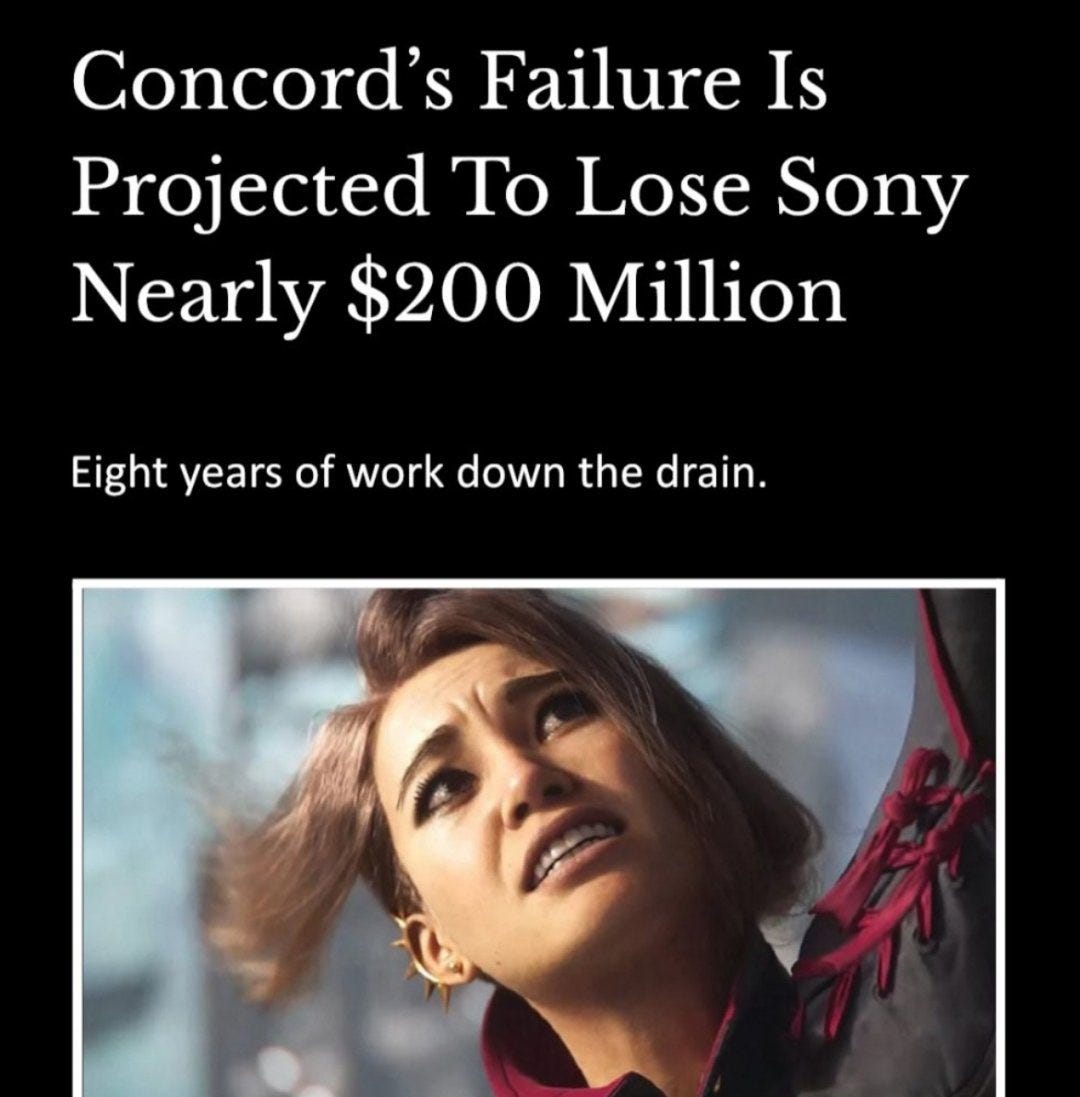
Concord, a $200M game that Sony has been building for the past 8 years just shut down 2 weeks after launch.
Do not chase utility. Just community.
4. Optimize for interconnectedness
Your north star as a founder is not to have as many relationships as possible with everyone in your community, it’s to create as many relationships as possible between members of your community.
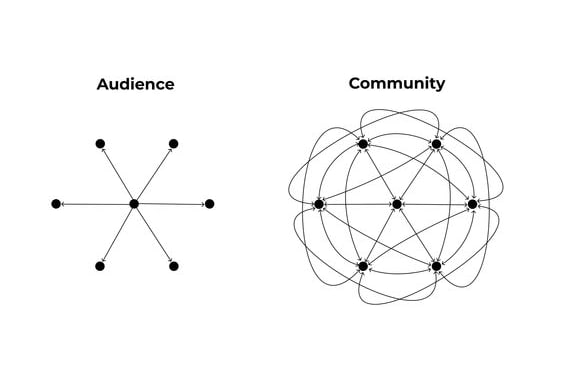
You want the community to be friends with each other.
This is the one category where you can dip your toes into creating products (without “utility”) for the community. Everything you create and facilitate should be in attempt to promote coordination between the members of the community.
5. Aesthetics matter
Aesthetics are complicated, and ultimately will lead to a 2-second gut decision by most speculators if they want to buy or not. This is arguably the determining factor of your success. The quality of the art.
I’ve created 5 standards to measure your aesthetics by:
Uniqueness: Is the base character unique from what is popular on the market today?
Twitter Icon Silhouette Test: If you take a random asset, make it a silhouette, and then set it as your twitter profile picture, do you immediately recognize your PFP as being part of your collection? If no, you need to fix that.
Color scheme: Are you being intentional with all of the colors involved in all of the assets? Do the colors go together? Do they belong to a color scheme? What can be improved? What can be simplified?
Trait diversity: Do you have diversity in the base character (male punk vs. zombie punk)? Do you have diversity in traits? You want to try your hardest to make sure that no two assets look the same.
Trait blend: Do the traits looks always good together when randomized?
Ideally you feel that you score highly in all fields before deciding to launch.
6. Rarity matters
The math needs to make sense as rarity scales.
For simplicity, I recommend trying to emulate a system similar to Punks, where ~1% of the collection is seen as very rare (zombies, apes & aliens).
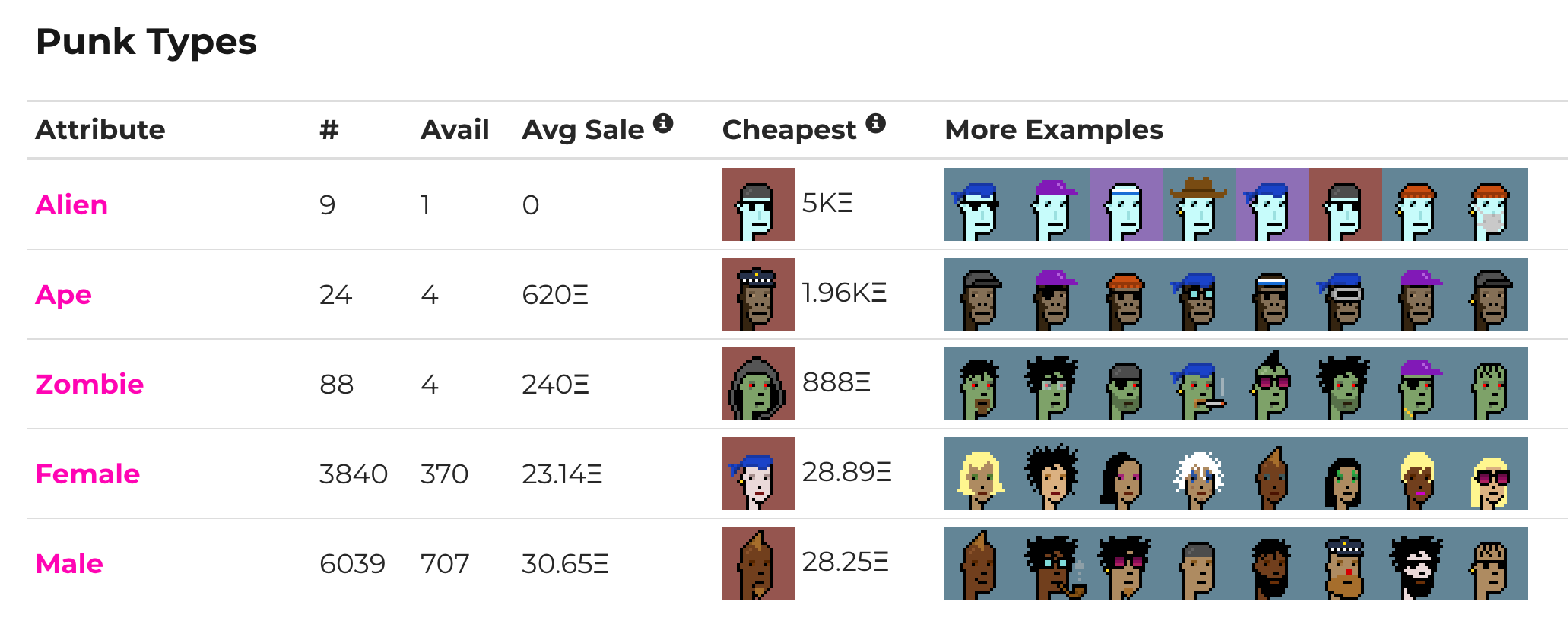
The desire to own each NFT should also increase with rarity or the collection doesn’t make sense.
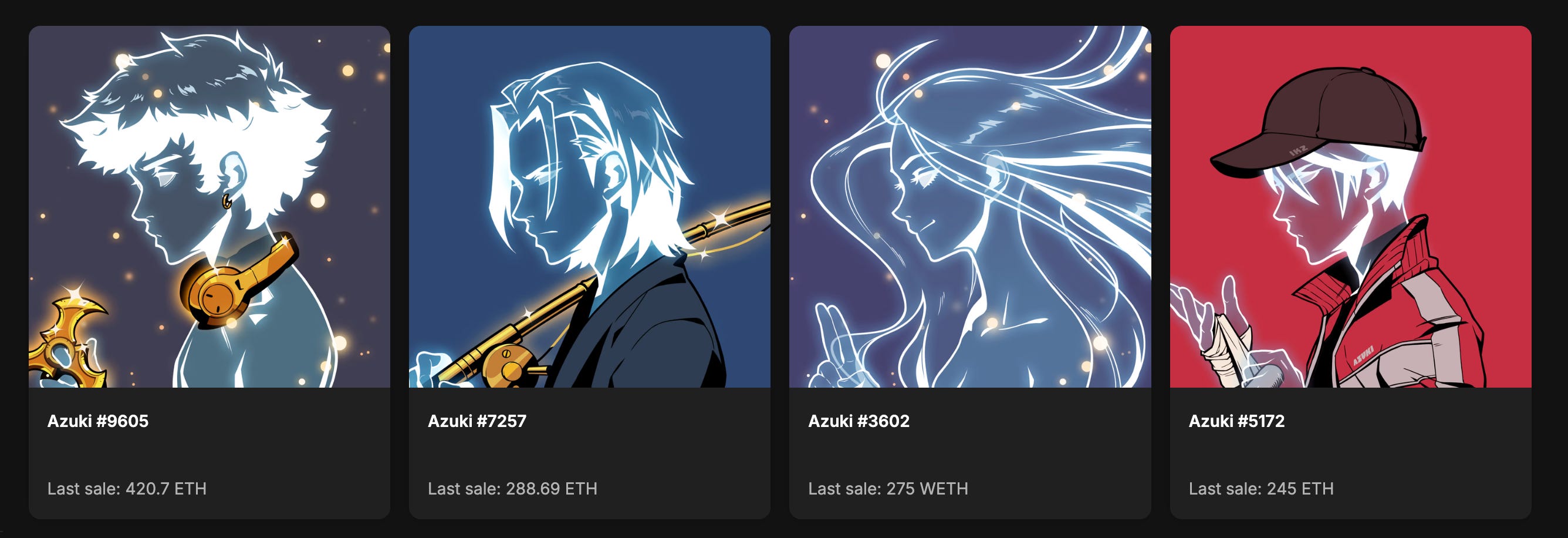
A great example of this is Azukis. Azukis have such great looking rares that it almost feels like the entirety of the collection is anchored to the upside of the rares themselves. Some collections also have trait combinations that the NFT generator produces to make rares look more uniform.
One final note on rarity: In my personal opinion, 1/1s fragment rarity which hurts the overall upside of a collection. 1/1s (special unique NFTs that tend to be dedicated to influencers) only grew in popularity for marketing purposes.
Optimize for long term rarity rather than short term marketing.
7. Be honest and fair
You should know exactly why your mint price is your mint price. You will have to answer your community directly about why you chose your mint price.
The short term best case scenario for you can be the worst case scenario for your community. The worst scenario is picking a mint price that is too high, and as a result doesn’t mint out. Attempting to extract as much value as possible is a recipe for failure.
There is no way to cheat here. The market is efficient. Be honest and fair.
8. Whitelists > Dutch Auctions
When you have more demand than supply as you are approaching your mint, you want to artificially reduce demand.
One way to do this is through a dutch auction, where buyers have a reverse bidding war to determine their mint price. This is extremely value extractive as the initial upside momentum is transferred from community to creator.
In my opinion, whitelists are a much better option. With whitelists, you can curate a group of collectors based on specific attributes that you deem important to the community (more than just how much money someone is willing to pay).
Distribution enables interconnectedness. Find the attributes that matter most to the collection, and distribute whitelists based on them.
Tip: Gamify your whitelists. Be creative. Do something that nobody has ever done before.
9. Royalties are okay
Royalties create longterm incentive alignment between creator and community.
The future is uncertain for enforcement of royalties on-chain, but a low fee (~2%) is a good way to bet on yourself and stay motivated.
Some simple math here to understand what a 2% royalty can do for a creator:
If the price floor of the collection is $500 and 200 of those NFTs are traded every day, with a 2% royalty the creators of the collection will earn more than $50,000 in 1 month.
10. Lead by example
Generally speaking, most people aren’t happy to see others succeed. For every 10 people that like you, there will always be 1 that doesn’t.
You should expect this to scale. Expect negativity.
Try to lead with positivity rather than answer to negativity. Don’t let it get to you, or they will be right.
Conclusion
If you are creating a NFT collection in 2024 or 2025, you have many advantages over the collections created before you. Your first advantage is that you can have a community that has only known positive momentum. Your second advantage is that you can learn from the mistakes of others. Your third advantage is that you have the chance to try new things that haven’t fully been explored, like 404s 👀.
Don’t be afraid to try something new. All popular collections today have their own niche feel that appeals to different demographics. There is value in novelty and being authentic.
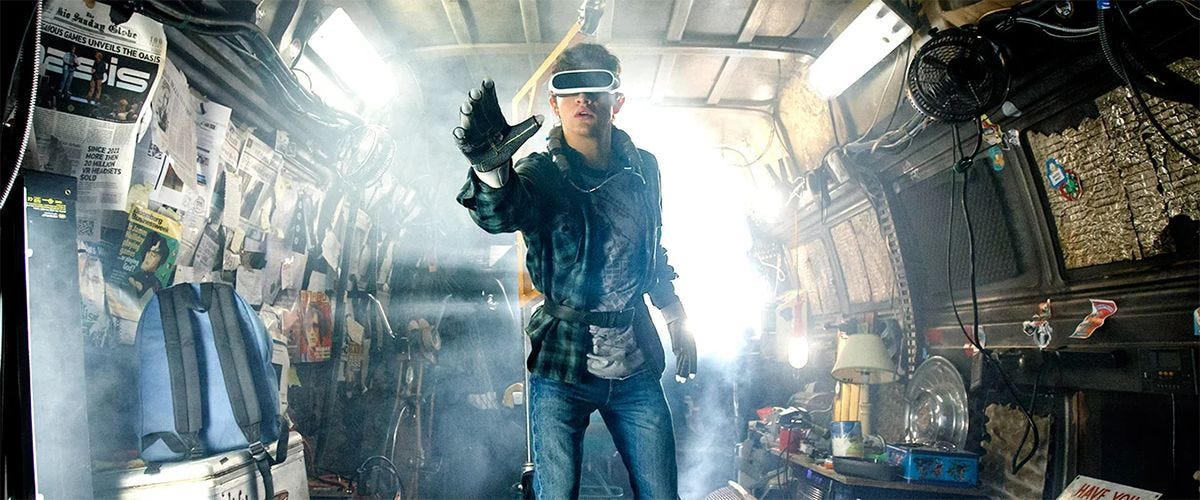
The biggest mistake that NFT founders make, intentional or not, is over-promising. There were no promises made by punks. If you are building an NFT pfp collection, you are building metaverse-native assets.
It is not your job to build the metaverse.
If you feel confident that your collection follows all ten commandments, please reach out and I will be happy to provide direct feedback to help create long lasting NFT PFP collections on Monad.
Gmonad!
This is an excellent perspective. Creating an NFT project isn’t just about launching a collection; it’s about building a lasting brand and a community that trusts your vision. Long-term thinking is critical—every decision you make impacts the project’s sustainability and legacy. Leaders in this space need resilience, adaptability, and a clear commitment to delivering value over time. Without these qualities, it’s easy for projects to lose momentum or credibility. True success comes from steady, thoughtful growth rather than quick wins.